
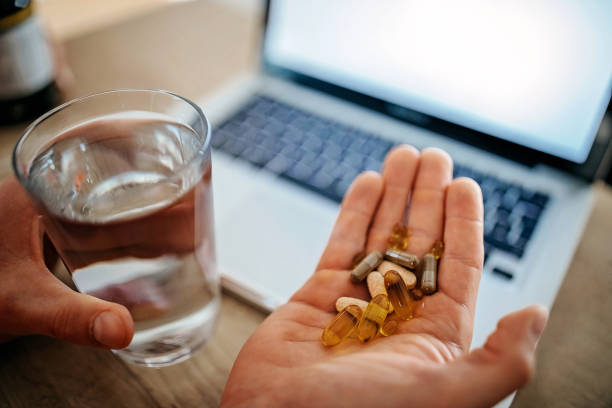
Maintaining a strong immune system is crucial, especially for busy professionals, frequent travelers, or anyone dealing with stress and demanding schedules. While immune booster supplements are highly effective, combining them with your daily diet incorrectly can reduce absorption, create nutrient imbalances, or even lead to mild side effects.
At Best Health and More, we focus on science-backed, lab-tested wellness supplements designed to integrate seamlessly into your daily routine for optimal immune support.
Quick Answer: Safe Integration of Immune Supplements
The key to combining immune boosters with your diet is understanding timing, nutrient interactions, and proper dosages. Properly integrated, these supplements enhance immune function, support energy levels, and fill nutritional gaps without disrupting your daily nutrition.
Why Diet Matters for Immune Supplements
Your body’s absorption and utilization of supplements are strongly influenced by diet:
- Fat-soluble vitamins (A, D, E, K) require dietary fats for proper absorption
- Minerals like zinc and magnesium can compete with other nutrients if taken together
- Protein-rich meals enhance amino acid utilization for immune signaling
- Antioxidant-rich foods complement immune booster effects
Combining supplements with a balanced diet ensures maximum benefit and minimal interaction issues.
1. Vitamins and Minerals — Timing and Pairing
Vitamin C
- Water-soluble and can be taken with or without meals
- Best absorbed throughout the day for sustained immune support
Vitamin D3
- Fat-soluble; take with meals containing healthy fats (e.g., avocado, nuts, olive oil)
- Morning or lunchtime preferred to align with natural circadian rhythm
Zinc
- Take on an empty stomach if tolerated; otherwise, small meals are okay
- Avoid combining high doses with calcium or iron at the same time for optimal absorption
Magnesium
- Supports relaxation and immune health
- Evening supplementation works best, often with a light meal
2. Herbal and Plant-Based Immune Boosters
Elderberry, Echinacea, and Turmeric are commonly used for immune support:
- Can be taken with meals to enhance absorption and reduce digestive upset
- Turmeric benefits from pairing with black pepper and healthy fats to increase bioavailability
- Herbal supplements complement a fiber-rich diet, supporting gut-immune health
3. Probiotics — Timing Matters
Probiotics support the gut-immune axis. To maximize effectiveness:
- Take on an empty stomach or 30 minutes before meals for better survival through stomach acid
- Avoid combining with strong antimicrobial agents (like certain herbal teas) at the same time
- Pairing probiotics with prebiotic foods (fiber, bananas, garlic) enhances gut microbiome support
4. Avoid Common Nutrient Conflicts
Some nutrients can interfere with others if taken together:
| Nutrient | Potential Interaction | Recommendation |
| Calcium & Zinc | Compete for absorption | Take at different times of day |
| Iron & Magnesium | Reduce bioavailability | Separate by 2–3 hours |
| High-dose Vitamin E & Blood Thinners | May increase bleeding risk | Consult healthcare provider |
| Herbal extracts & medications | Can interact with drug metabolism | Always verify with a professional |
Tip: Follow the recommended dosing schedules on professional-grade products like Best Health and More supplements to avoid interactions.
5. Integrating Supplements with Meals
- Breakfast: Vitamin C, Vitamin D3 with healthy fats, and a light protein source
- Lunch: Zinc or herbal immune boosters with balanced meals
- Snack/Evening: Probiotics or magnesium with fiber-rich foods
- Hydration: Maintain water intake to improve nutrient transport and absorption
A structured approach ensures supplements complement rather than conflict with your diet.
Table: Daily Integration Guide for Immune Boosters
| Supplement | Best Time | Meal Pairing | Key Tip |
| Vitamin C | Morning & Afternoon | Any meal | Sustained absorption, water-soluble |
| Vitamin D3 | Breakfast or Lunch | With fats | Supports circadian rhythm & immunity |
| Zinc | Mid-morning | Light meal or empty stomach | Avoid calcium/iron conflicts |
| Magnesium | Evening | Light meal | Supports relaxation & immune health |
| Probiotics | 30 min before meals | Empty stomach | Pair with prebiotic foods |
| Elderberry / Herbal | Lunch or Dinner | With food | Reduces digestive upset, enhances absorption |
6. Monitoring and Adjusting Your Routine
- Start gradually: Introduce one supplement at a time to observe effects
- Track results: Keep a journal of sleep, energy, and illness frequency
- Adjust timing: If a supplement causes mild stomach discomfort, adjust timing or pairing with food
- Consult a professional: Particularly if combining multiple supplements or managing health conditions
FAQ
Q1: Can I take all immune boosters together?
Yes, if you space them correctly and follow professional dosing. Avoid combining conflicting nutrients at the same time.
Q2: Do supplements replace a healthy diet?
No. Supplements complement diet, filling gaps while supporting immune and metabolic function.
Q3: Are there supplements that work better with specific foods?
Yes — fat-soluble vitamins with healthy fats, probiotics with prebiotics, and turmeric with black pepper are examples.
Q4: How do I know my routine is effective?
Track immune resilience, energy levels, and general wellness. Professional-grade supplements, like Best Health and More, ensure potency and consistency.
At Best Health and More, we provide lab-tested, science-backed immune booster supplements that integrate seamlessly into your daily diet. Our products are designed for busy lifestyles, ensuring you get safe, effective, and convenient immune support.
Explore our immune booster supplements today and start building a daily routine that strengthens your health and resilience naturally.